
Fix, List, or Sell As-Is: Best Options for a Senior Home That Needs Work
Fix, List, or Sell As-Is: Best Options for a Senior Home That Needs Work
By SmartytheRealtor (John Smart), A.I. Certified Agent™ and Philadelphia Region Lifestyle Expert
If you are helping a senior loved one sell a longtime home in the Philadelphia area, you are probably staring at a familiar question: fix, list, or sell as-is? Maybe Mom’s Montgomery County colonial needs a new roof, or Dad’s South Philly rowhome still has the original pink tile bathroom. The home clearly needs work before selling, but how much work actually makes sense at this stage of life?
Why do so many senior-owned homes need work
In the Philadelphia region, many seniors have lived in the same home for twenty, thirty, or even forty years. With homeowner tenure now averaging around 9.5 years in our metro, and many older owners far above that, it is normal to see deferred maintenance and outdated features, especially in pre‑1939 homes that make up a big share of the city's housing stock.
Over time, priorities shift from upgrades to simply living comfortably. A senior on a fixed income may choose to ignore an aging bathroom, dated paneling, or worn carpet if everything still functions. Health issues, mobility changes, or the loss of a spouse can also make it harder to keep up with repairs. Before long, the home needs more than just a quick coat of paint.
In Philadelphia rowhomes, this might mean older plumbing, knob‑and‑tube wiring, or tired kitchens. In Bucks County ranches and Delaware County split‑levels, it may show up as original bathrooms, drafty windows, or worn roofs. None of this is unusual, but it does matter when you are deciding whether to fix, list, or sell as-is.
Choose your strategy before you pick up a paintbrush
One of the biggest mistakes I see families make is calling contractors before choosing a selling strategy. It is very easy to spend $10,000 to $30,000 on projects that buyers in your neighborhood simply will not pay you back for. In Philadelphia, average repair estimates can hover around $18,500, and full renovations can easily climb far higher, especially in older homes with hidden surprises behind the walls.
Instead, the smarter move is to first talk through your senior transition planning goals, timeline, and budget. From there, we can compare which path makes sense: full repairs and a traditional listing, light updates only, a renovation‑before‑sale solution, or a true sell-senior-home-as-is approach. Once the strategy is clear, we can decide which repairs actually support that plan.
Option 1: Repair and traditionally list the home
Pros of a full repair and list strategy
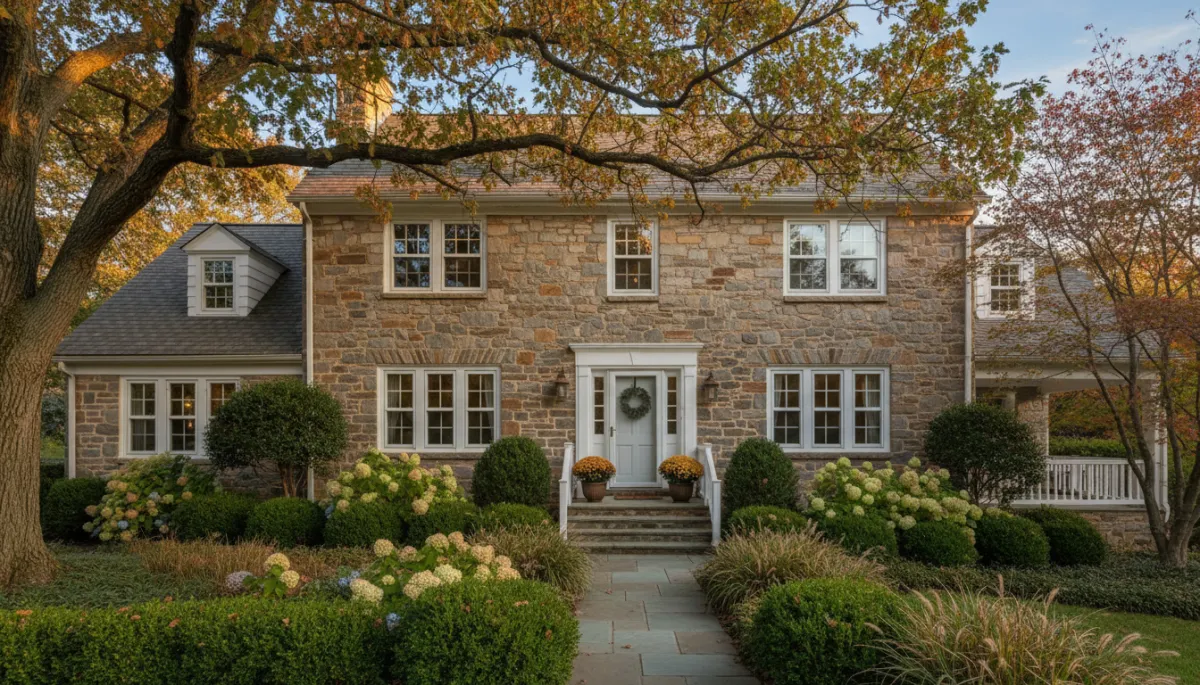
This is the classic “fix and list senior home” path. You complete most recommended repairs, update key rooms, and then list the house on the open market. Done well, this can:
Attract the largest buyer pool, including first‑time buyers who want move‑in ready homes
Potentially bring in stronger offers in a market where updated homes still stand out
Reduce inspection repair requests because much of the work is already done
Cons, costs, and stress with full repairs
A full repair plan can easily include interior painting, flooring, bathroom updates, electrical work, and more. In the Philadelphia area, that can mean:
Upfront cost: Often tens of thousands of dollars, especially if you remodel a bathroom or tackle older systems
Timeline: Several months from planning to completion, plus listing and closing time
Stress level: High, especially if the senior is still living in the home during construction
For some families, this is still the best way to get a home ready for sale when it needs work. For others, the disruption and cash outlay simply do not match the senior’s health, energy, or goals.
Option 2: Only strategic safety and presentation improvements
What “light but smart” improvements look like
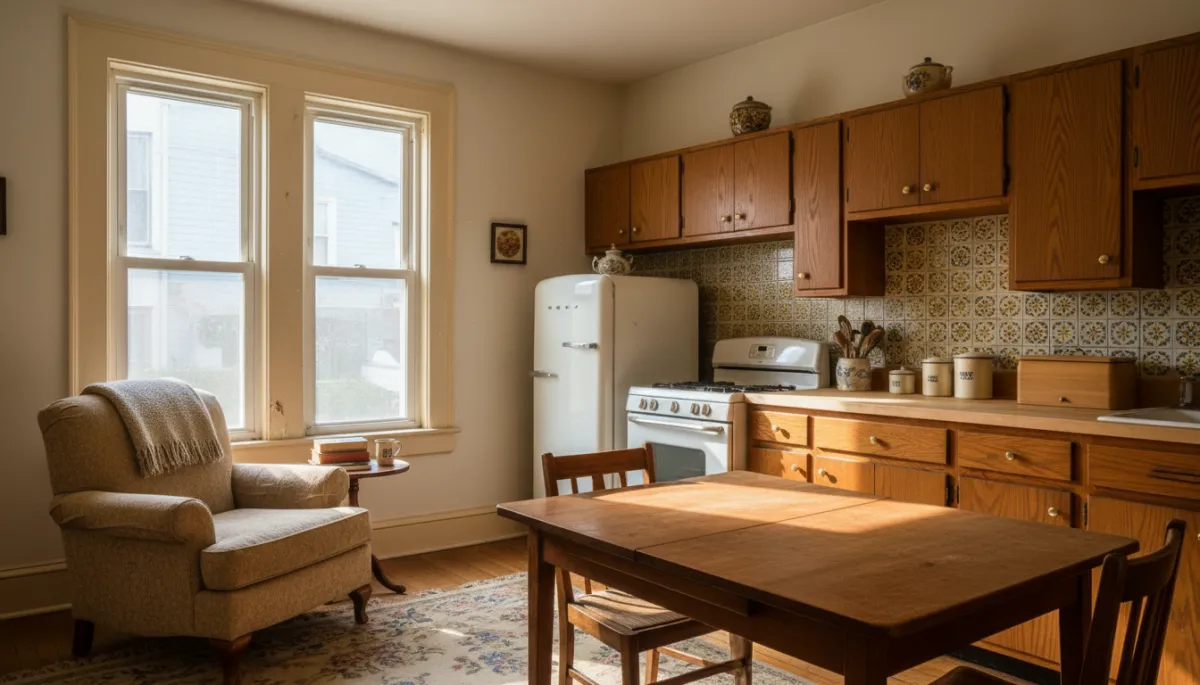
Many seniors choose a middle path: they do not fully renovate but address safety issues and make affordable cosmetic changes that improve first impressions. Think grab bars, lighting, basic plumbing fixes, fresh paint, deep cleaning, and simple landscaping. This can be a very practical approach when you want to repair before listing a parent's house without overdoing it.
Pros, cons, and stress level of strategic updates
Upfront cost: Moderate. You might spend a few thousand to address the most visible and safety‑related items, not a full remodel.
Timeline: Weeks instead of months, especially if we lean on reliable handymen and cleaners rather than full contractors.
Stress level: Lower. The senior can often stay in the home, and work is scheduled around their comfort.
This option keeps the home in the “lived‑in but loved” category. It will not compete with a fully renovated Chestnut Hill twin, but it can absolutely appeal to buyers who are willing to update over time, especially in neighborhoods where original character is expected.
💡 Soft Advisory: Before you spend a dollar on paint or flooring, take a moment to compare selling options for seniors. Seeing the numbers side‑by‑side often changes which repairs feel worthwhile.
Option 3: Renovation‑before‑sale or home preparation programs
Some families like the idea of a more up-to-date home but do not want to manage contractors or pay everything up front. In those cases, we may consider home preparation or renovation‑before‑sale solutions, in which a partner coordinates improvements and is repaid at closing. This can be a way to renovate a senior home before selling while protecting cash flow.
Upfront cost: Often minimal out‑of‑pocket, depending on the program and scope of work.
Timeline: Similar to a traditional renovation, but more organized and managed for you.
Stress level: Medium. You are not the general contractor, but there is still noise, dust, and decision‑making.
These solutions are not right for every property, especially if the home has very extensive structural issues. However, in certain Chester County neighborhoods or Montgomery County colonials where buyers expect updated kitchens and baths, they can be worth evaluating. We can walk through these options alongside more traditional home repair options so you see the full picture.
Option 4: Sell the home as-is
What an as‑is sale really means in Pennsylvania
An as-is home sale in Pennsylvania does not mean you hide problems. You still disclose known issues honestly. It simply means you are not agreeing to make repairs or upgrades before closing. For many families trying to sell an elderly parent's house without repairs, this is the least stressful route.

Pros, cons, and best fit for as‑is sales
Upfront cost: Very low. You may still want basic cleaning, an estate cleanout, and home prep, but no major renovations.
Timeline: Often fastest, especially if we work with investors or buyers comfortable with repairs.
Stress level: Lowest. No contractors to manage, fewer decisions, and fewer disruptions for the senior.
The trade‑off is that the buyer pool is smaller, and offers may reflect the work needed. Still, in many cases, when you factor in avoided repairs, carrying costs, and stress, selling a Philadelphia " as is home can be the best way to sell a house needing repairs for that particular family.
How the senior’s situation should guide the choice
The right decision about senior home repairs is rarely just about the house. It is about the person who has lived there. When I help families compare home-selling options seniors can use, we look at:
Health and mobility: Can the senior safely live through repairs, or do they need a quicker move?
Living situation: Is there a new home or senior community already lined up, with a specific move‑in date?
Finances: How much cash is truly available for repairs, and what level of risk feels comfortable?
Timing: Do we have six months, or do we need to be done in sixty days?
Family support: Are there adult children nearby to help, or is the senior mostly on their own?
Often, the most expensive repair plan is not the best plan. In senior transition real estate, Philadelphia families care more about safety, dignity, and simplicity than squeezing every last dollar from the sale. That is okay. You are allowed to choose the path that lets everyone sleep at night.
How buyer expectations vary across the Philadelphia region
Local expectations matter. A “dated” home in one neighborhood might be perfectly normal in another. For example:
Philadelphia rowhomes: Buyers often expect some quirks and older systems. Cosmetic updates and safety fixes can go a long way without full gut renovations.
Montgomery County colonials and Chester County neighborhoods: Buyers may lean more toward move‑in ready, especially in higher‑priced school districts.
Bucks County ranches and Delaware County split‑levels: Many buyers are open to updating over time, as long as the home feels solid and well cared for.
South Jersey communities and Berks County towns: Expectations can vary by price point, but affordability often attracts buyers willing to take on projects.
My job is to read the local market, show you what buyers are actually paying for, and help you avoid over‑improving for the neighborhood.
Side‑by‑side comparison: Fix, light updates, renovate program, or sell as‑is
Factor Full Repair & List Strategic Light Updates Renovation‑Before‑Sale Program Sell As‑Is Upfront cost Highest Moderate Low to moderate, repaid at closing Lowest Time required Longest (months) Weeks Months, but professionally managed Shortest (often fastest path) Family involvement Very high Moderate Medium, partners handle logistics Low Home preparation needed Extensive repairs plus staging Cleaning, paint, safety fixes Coordinated upgrades and staging Basic cleanout only Buyer pool Broadest, including picky buyers Good, especially value‑minded buyers Strong in higher‑demand areas Smaller, often investors or project buyers Potential stress level Highest Moderate Medium Lowest Best fit for Strong health, time, and cash reserves Seniors wanting balance of return and sanity Homes in areas where updates are highly rewarded Health, timing, or budget limit repairs
How SmartytheRealtor supports your family’s decision
My role is not to push you into one path. It is to help you compare selling options for seniors with clear numbers and realistic expectations. Together, we look at what the home might sell for:
With no repairs, truly as‑is
With light, strategic updates only
With more extensive improvements or a renovation‑before‑sale program
Then we layer in estimated costs, timelines, and stress levels. We also bring in my trusted partner network when you need help with cleanouts, contractors, organizers, or senior move managers. I always recommend families consult legal, tax, financial, inspection, and contracting professionals as part of this process, so every angle is covered.
FAQs: Fix, list, or sell a senior home as‑is in the Philadelphia area
Should we repair our parents' home before selling it?
Maybe, but not always. It depends on the home’s condition, neighborhood expectations, and your family’s time, money, and energy. Often, a mix of safety fixes, cleaning, and a few cosmetic updates is enough. The key is to understand your likely sale price in different scenarios before you commit to big projects. That is why a realistic value and option review comes first, not last.
Is it better to renovate or sell a senior's home as-is?
There is no single right answer. In some areas of Montgomery County or Chester County, updates can significantly improve offers. In other parts of the city or older suburbs, buyers expect to do their own renovations. If the senior’s health is fragile or the move is time‑sensitive, selling as‑is can be the kinder choice even if a full renovation might yield a higher top‑line price on paper.
Which repairs matter most before selling an older home?
Focus first on safety and function: leaks, electrical hazards, trip risks, steps without railings, and obvious water or roof issues. Next, look at affordable presentation boosts like paint, cleaning, and lighting. High‑ticket projects, such as full kitchen remodels, should be weighed carefully against the likely return in your specific neighborhood and price range.
Can we sell a house that needs major repairs?
Yes. Many buyers, including investors and experienced homeowners, actively look for houses needing work. A sell-as-is senior home strategy is common in Philadelphia and surrounding counties. The key is honest disclosure, realistic pricing, and clear communication about what you will and will not repair. You can still have a respectful, organized sale even when the home needs significant work.
How do we compare the cost of repairs with the possible sale price?
Start by estimating what the home could sell for in three conditions: as‑is, with light updates, and with more extensive improvements. Then subtract the realistic repair, closing, and carrying costs for each path. This is exactly what we do when we compare selling options for seniors. Seeing all four paths on one page helps families make confident, informed decisions.
What is the easiest way to sell a parent's home that needs work?
The easiest path is usually a blend of basic cleanout support, light safety fixes, and either an as‑is listing or a simple investor sale. It minimizes decisions, keeps contractors to a minimum, and shortens the timeline. For many families juggling jobs, caregiving, and distance, ease and peace of mind matter more than chasing every last dollar.
Ready to talk through your senior home options?
Whether you are across town or across the country, you do not have to figure this out alone. We can walk through your parents’ home together, review realistic numbers for each path, and decide, step by step and without pressure, whether to fix, list, or sell as‑is. Visit the Senior Transition planning page to learn more, then schedule a conversation when you are ready. We will take it from there, one calm, thoughtful decision at a time.


