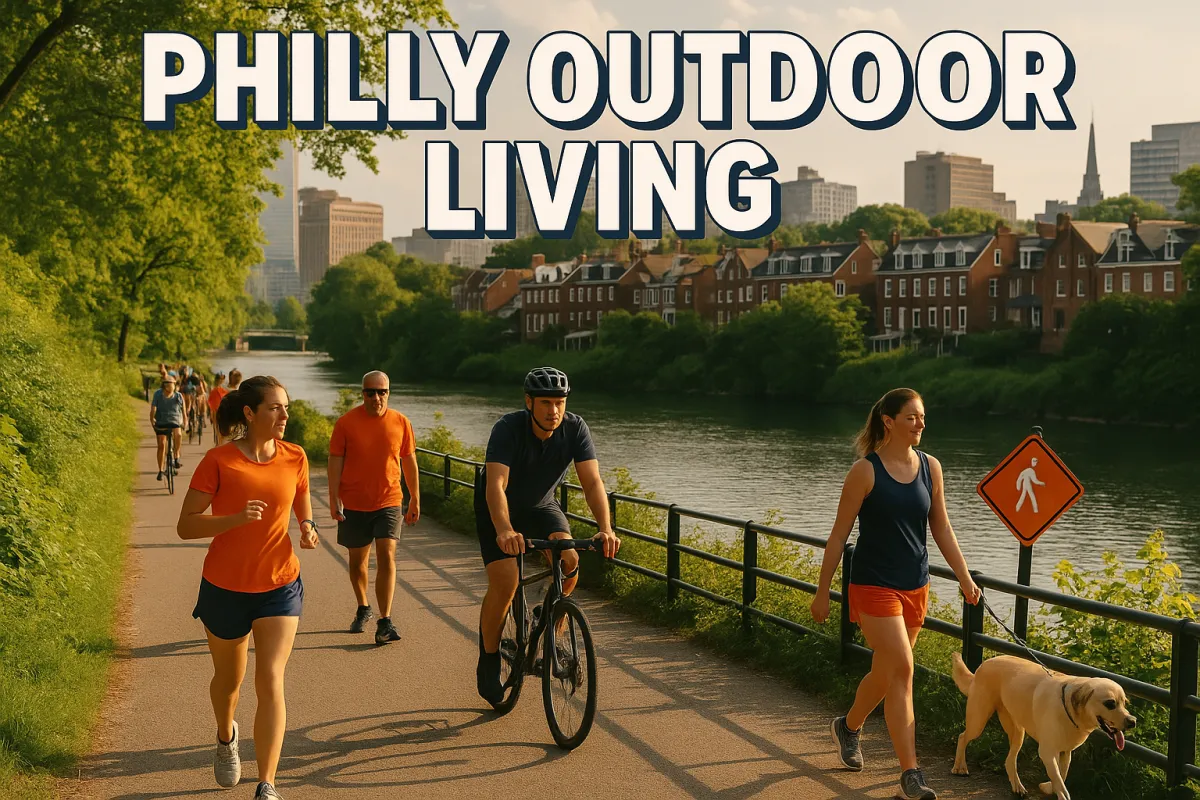
How Philadelphia's Parks and Trails Shape Neighborhood Living
How Philadelphia's Parks and Trails Shape Neighborhood Living
By SmartytheRealtor (John Smart), AI Certified Agent™ & Philadelphia Region Lifestyle Expert

Philadelphia Living is shaped by more than architecture, restaurants, and commute time. Across the city, access to parks, trails, riverfronts, playgrounds, and pocket green spaces influences how a neighborhood feels on a Tuesday morning as much as a Saturday afternoon. Whether you are comparing homes in Fitler Square, Roxborough, or East Passyunk, the outdoor options nearby often become part of your everyday rhythm rather than a once‑in‑a‑while destination.
Why Outdoor Access Matters When Comparing Philadelphia Neighborhoods
Across many walkable Philadelphia neighborhoods, parks and trails function like an extension of your living room. They shape how you move through the week and how you connect with neighbors, even if you are not an avid runner or cyclist. Outdoor access does not make one area universally better than another, but it does influence which neighborhood feels like the right fit for your lifestyle.
Walking and running routines. A paved trail along the river or a leafy neighborhood loop can make it easier to fit in a short walk before work or an evening run without getting in the car.
Cycling and commuting by bike. Dedicated paths and bike‑friendly routes help some residents comfortably bike to offices, campuses, and neighborhood shops, especially where trails connect across sections of the city.
Dog walking and neighborhood sociability. A small local park or trail entrance often becomes a daily gathering spot for dog owners, making it easier to meet neighbors and feel connected soon after moving in.
Weekend routines and outdoor dining. Many residents enjoy grabbing coffee, walking to a park, and then deciding on brunch or an early dinner nearby. The presence of benches, plazas, and playgrounds can make weekends feel relaxed without a full day trip.
Recreation and fitness habits. From pickup basketball and tennis courts to yoga in the park and fitness stations along trails, outdoor amenities offer a range of activities beyond what a traditional gym membership provides.
Access to nature within the city. For many Philadelphians, wooded trails, river views, and shaded lawns provide a practical way to spend time in nature without leaving the city limits, which can be especially meaningful for people who work long hours or prefer not to drive often.
Daily convenience and quality of life. Being close to a park can simplify life with young children, offer a quiet place to read, or create a reliable spot to decompress after a long day, even if you only have thirty minutes.
When you compare Philadelphia real estate options, you are not only choosing a home. You are choosing the sidewalks, trees, and trails that will frame your routines. The right match depends on your preferences, schedule, and stage of life, not on a single definition of the “best” neighborhood.
Schuylkill River Trail and Center City Living
The Schuylkill River Trail is one of the region’s signature corridors, stretching for dozens of miles and gradually expanding as new segments open. In Center City, the trail provides a paved path for runners, cyclists, and commuters, along with boardwalk views of the skyline and river. As repairs and improvements continue, residents benefit from a long, largely car‑free route that links neighborhoods and employment centers.
Neighborhoods near Schuylkill River Trail access points include Fitler Square, Rittenhouse, Graduate Hospital, the Art Museum area, and Fairmount. Each offers its own mix of housing styles. You will find traditional rowhomes on tree‑lined blocks, modern condos with elevator access, and pockets of historic brick and Victorian architecture. Some buildings feature balconies or shared rooftop decks that complement the riverfront setting.
Living near the trail can make it easier to fit in a quick run before work, bike to University City, or stroll to a riverside bench with a book. For some residents, the appeal is the ability to walk to the Philadelphia Museum of Art or cross the river to University City without relying on a car. For others, the draw is simply having a wide, open space nearby in the middle of the city’s core.
When comparing Center City homes, it can be helpful to consider where the nearest trail entrance is relative to your front door, how you would cross major streets, and whether your daily commute could incorporate a portion of the trail. None of these factors replaces considerations like layout, storage, or budget, but together they help paint a fuller picture of Center City living.
Wissahickon Valley Park and Northwest Philadelphia

Wissahickon Valley Park offers a different kind of outdoor lifestyle in Philadelphia. With wooded ravines, a gravel main trail, and miles of side paths, it feels like a true forest within city limits. Organizations like Friends of the Wissahickon help maintain trails and educate visitors, which supports year‑round access for hikers, runners, and families.
Northwest neighborhoods such as Roxborough, Manayunk, East Falls, Mount Airy, and Chestnut Hill provide a range of housing options within reach of the park. You will see brick and stone twins, classic rowhomes, single‑family houses on hillsides, and condos in converted buildings. Many streets in these areas sit on or near hills, which can shape your daily walks and how you think about parking and winter driving.
For residents who enjoy hiking, trail running, or dog walking, the ability to reach the Wissahickon in a short drive or bike ride can be a deciding factor. Some people prefer living close to a specific trailhead or parking area, while others are comfortable accessing the park from different entrances depending on the day. Commuting patterns also matter. Many Northwest residents drive or take regional rail into Center City, so it is helpful to consider how your route to work aligns with your preferred park entrance and where you typically park at home.
Routines in these neighborhoods often include a weekend coffee stop followed by a walk along Forbidden Drive, or an evening loop with the dog after work when the light filters through the trees. At the same time, some residents prioritize proximity to commercial corridors or schools more than direct trail access. As with any Philadelphia neighborhood guide, the goal is to match the area’s strengths to what matters most to you rather than apply a single ranking system.
Fairmount Park and Nearby Neighborhoods
Fairmount Park is one of the largest urban park systems in the United States, stretching across both sides of the Schuylkill River and touching several residential areas. With support from organizations such as the Fairmount Park Conservancy, the park continues to evolve through trail improvements, restored historic sites, and new recreation amenities that benefit residents citywide.
Cultural landmarks such as the Philadelphia Museum of Art, Boathouse Row, and Kelly Drive sit within or adjacent to Fairmount Park. For nearby residents, this means the same trail that hosts major races also serves as a daily jogging route or a scenic bike path. On a given morning, you might see rowing teams on the river, families with strollers, and cyclists commuting to offices in Center City or University City.
Surrounding neighborhoods, including Fairmount, the Art Museum area, and portions of Brewerytown and Strawberry Mansion, feature a mix of rowhomes, newer townhomes, and multifamily buildings. Some streets are quieter and residential, while others sit closer to cultural venues and restaurants. For many residents, the ability to walk to a museum and then continue into the park for a picnic or a bike ride is a central part of their outdoor lifestyle in Philadelphia.
South Philadelphia Parks and Neighborhood Life

South Philadelphia offers a different expression of park access, with smaller neighborhood parks, playgrounds, and tree‑lined blocks woven into a dense grid of rowhomes. Areas such as Passyunk Square, East Passyunk, Queen Village, Pennsport, and Bella Vista are known for walkability, corner shops, and a strong sense of community. Here, parks often feel like local living rooms where neighbors gather after work or on weekend mornings.
In these neighborhoods, the East Passyunk neighborhood living experience might include a short walk to a playground, followed by outdoor dining along a commercial corridor. Residents of Queen Village, Philadelphia, may enjoy access to pocket parks and community gardens tucked between historic streets. Pennsport and adjacent areas offer proximity to larger recreation fields and waterfront access points, while Bella Vista blends residential blocks with markets and cafés that support an active, daily routine on foot.
Housing in South Philadelphia ranges from classic brick rowhomes to updated townhomes and low‑rise condo buildings. Many properties feature small front stoops, patios, or roof decks that extend living space outdoors. For some buyers, the appeal is the ability to step outside, walk a few blocks to a local park, and then continue on to coffee, groceries, or a favorite restaurant without needing to drive.
Delaware River Waterfront Access
On the eastern edge of the city, the Delaware River waterfront has evolved into a collection of parks, piers, and public gathering spaces. Guided by the Delaware River Waterfront Corporation, this area now includes destinations such as Penn Treaty Park, Race Street Pier, Cherry Street Pier, and Spruce Street Harbor Park, along with trail segments that connect these sites over time.
Philadelphia waterfront neighborhoods near the Delaware include parts of Northern Liberties, Fishtown, Old City, and Pennsport. Residents in these areas may enjoy seasonal events, food vendors, art installations, and river views within walking or biking distance. For some households, being able to watch the sunset over the river, attend a weekend market, or bike along the waterfront path is a major advantage. For others, the priority might be historic streetscapes or proximity to transit, with the riverfront serving as an occasional bonus.
What Buyers Should Look for Beyond Distance to a Park
When buying a home in Philadelphia, it can be tempting to focus on a map radius around a favorite park or trail. Actual day‑to‑day experience often depends on details that do not show up in an online listing. As you evaluate options, consider the following in addition to straight‑line distance.
Route and street crossings. Walk the route at the time of day you expect to use it. Note traffic patterns, crosswalks, and whether you feel comfortable with the sidewalks and intersections.
Lighting and conditions after dark. If you plan evening walks, look at streetlights, activity levels, and how busy the area feels at dusk or later in the evening.
Noise levels near busy trailheads. Homes close to popular access points may experience more weekend activity, especially during nice weather or special events. Some residents enjoy this energy, while others prefer a quieter block a bit farther away.
Parking availability on weekends. In areas where visitors drive to parks and trails, street parking patterns can shift on Saturdays and Sundays. It is helpful to check this in person if you rely on on‑street parking.
Hours and seasonal access. Some facilities and waterfront spaces operate seasonally or close at specific hours. Understanding these schedules can help you set realistic expectations about how you will use them throughout the year.
Trail connections to other neighborhoods. A trail that links to other areas can open up new commuting and recreation options, from biking to work to visiting friends across town without driving.
Weekend activity levels. Consider whether you prefer a lively park nearby or a quieter setting. Visiting during a sunny weekend provides a more accurate picture than a quick weekday tour.
Home maintenance near green spaces. Properties adjacent to trees and landscaped areas may experience more leaf and pollen debris, or more shade, which can affect yard care, gutter cleaning, and natural light inside the home.
Commute impact. In some neighborhoods, trail proximity provides an alternative route to transit hubs or job centers. Thinking through how you might combine walking, biking, and transit can clarify a location's overall convenience.
Flood maps were relevant. For homes near rivers or low‑lying areas, reviewing official resources such as the FEMA flood map service is a smart step. These tools provide information about mapped flood zones, although they do not replace professional advice or insurance guidance.
How Sellers Can Highlight Outdoor Access
For owners selling a home in Philadelphia, nearby parks and trails can be an important part of the property story. The key is to present outdoor access accurately and clearly, without overstating distances or benefits. Thoughtful marketing helps buyers picture how they might use the surrounding amenities in their own way.
Describe park proximity in real‑world terms. Instead of vague phrases, use approximate walking times such as “about a 7‑minute walk to the neighborhood park,” based on your own experience at a comfortable pace.
Mention walkability scores and bike storage. If your home has secure bike storage, a mudroom, or an easy place to park a stroller, those details can appeal to buyers who value an active lifestyle.
Showcase porches, patios, decks, and garden areas. Even modest outdoor spaces can feel special when staged with seating, plants, and lighting. Many buyers appreciate a private spot to enjoy coffee before walking to a nearby trail or playground.
Highlight transit connections that complement outdoor access. If your home sits near both a park and a transit line, mention how residents can pair a short walk with a train or bus ride for a car‑optional routine.
Frame lifestyle convenience. Without making promises or assumptions, you can note that cafés, restaurants, and yoga studios near park entrances give residents options before or after time outside.
Working with a real estate professional who understands Philadelphia parks and trails can help you present your home as part of a broader neighborhood experience, whether that means Fitler Square lifestyle, Fairmount Philadelphia living, Roxborough trail access, or Manayunk outdoor lifestyle.
How SmartytheRealtor Helps Buyers and Sellers Compare Philadelphia Living
As an AI Certified Agent™, SmartytheRealtor combines neighborhood knowledge with data‑driven insights to help clients compare homes near the Schuylkill River Trail, Wissahickon Valley Park, South Philadelphia pocket parks, and Philadelphia waterfront neighborhoods. The goal is not to label one area as best, but to match your preferences with the right block, housing style, and outdoor access.
Buyers can explore curated buyer resources that explain how to weigh commute time, trail access, and walkability when buying a home in Philadelphia. Sellers can review tailored seller resources that outline how to position outdoor amenities, porches, and nearby trails in a clear, Fair Housing-compliant way.
For deeper neighborhood research, SmartytheRealtor maintains Philadelphia neighborhood guides that highlight parks, trails, transportation, and lifestyle features across the city. You can also stay informed about market trends, policy updates, and community investments through the latest real estate news section, which frequently touches on topics related to Philadelphia parks and trails.
Frequently Asked Questions
Q: Which Philadelphia neighborhoods have convenient trail access?
A: Neighborhoods near the Schuylkill River Trail include Fitler Square, Rittenhouse, Graduate Hospital, and Fairmount. Northwest Philadelphia neighborhoods like Roxborough, Manayunk, East Falls, and Chestnut Hill offer access to Wissahickon Valley Park trails.
Q: What neighborhoods are near Wissahickon Valley Park?
A: Roxborough, Manayunk, East Falls, Mount Airy, and Chestnut Hill are among the Northwest Philadelphia neighborhoods with the closest access to Wissahickon Valley Park trails.
Q: Does park access affect a home search in Philadelphia?
A: For many buyers, it does. Proximity to parks and trails can shape daily routines, walkability, fitness habits, and the overall feel of a neighborhood. It is one factor worth evaluating alongside commute time, housing style, and local amenities.
Q: What should buyers check before purchasing near a trail or river?
A: Buyers should evaluate the actual walking route, not just the distance. Check lighting, street crossings, noise, weekend traffic, parking, and seasonal trail conditions. For homes near rivers or low‑lying areas, reviewing FEMA flood maps is a smart step before making any decisions.
Q: How can sellers market nearby parks and outdoor amenities?
A: Sellers can highlight trail proximity using accurate walking distances, showcase outdoor space (porches, patios, bike storage), and frame the lifestyle convenience of being near parks, fitness trails, and green spaces. Working with an experienced local agent helps translate outdoor access into compelling listing language.
Q: Can SmartytheRealtor help me compare Philadelphia neighborhoods?
A: Yes. SmartytheRealtor, A.I. Certified Agent™, works with buyers and sellers across Philadelphia to evaluate neighborhoods, outdoor access, housing styles, and market conditions. Reach out to start the conversation.
Next Steps
If you are comparing Philadelphia neighborhoods, SmartytheRealtor, A.I. Certified Agent™, can help you look beyond the listing photos and evaluate outdoor access, housing styles, transportation, neighborhood convenience, and market strategy.


