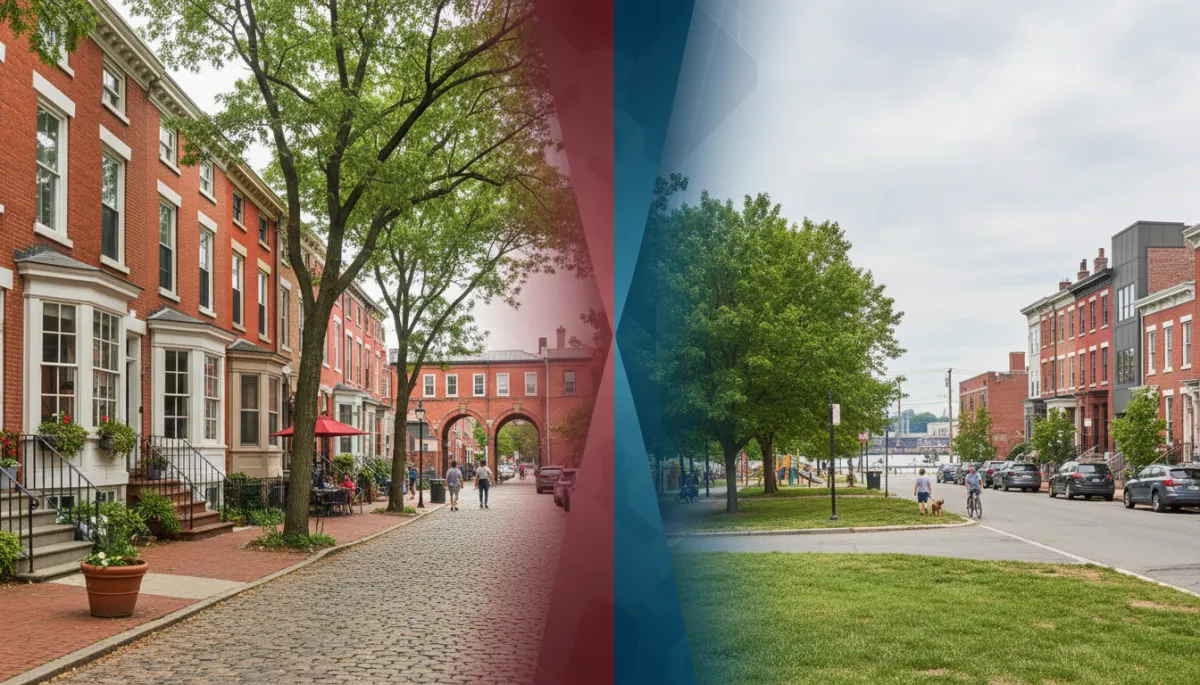
Queen Village vs Pennsport: Find Your Ideal Neighborhood
South Philadelphia neighborhood comparison, SmartytheRealtor neighborhood guide
Queen Village vs Pennsport: Which South Philadelphia Neighborhood Fits Your Move?
By SmartytheRealtor (John Smart), AI Certified Agent™ & Philadelphia Region Lifestyle Advisor
Comparing Queen Village vs Pennsport is a common step for people moving to South Philadelphia, as well as owners deciding when and how to sell. Both sit close to the Delaware River, both offer rowhome streets and neighborhood parks, and both connect easily to Center City. Yet the feel on the ground, housing options, walkability, and parking can be very different block to block.

This guide walks through what it is like living in Queen Village Philadelphia and living in Pennsport Philadelphia, how housing and transportation differ, and what buyers and sellers should evaluate before a move. It is written for first-time buyers, move-up buyers, downsizers, relocation buyers, and current owners who want a clear, local comparison without the hype.
Queen Village vs Pennsport at a Glance
| Feature | Queen Village | Pennsport |
|---|---|---|
| General neighborhood feel | Historic, intimate “village” streets close to Center City with a long-established vibe | More residential South Philadelphia feel with a mix of long-time residents and newer development |
| Housing styles | 18th–19th century rowhomes, trinities, renovated townhomes, some newer condos and infill | Brick rowhomes, trinities, post-war homes, plus newer townhomes and small developments |
| Walkability | Very walkable with dense commercial corridors and narrow, historic streets | Walkable in many pockets, more variation block to block and closer to I‑95 |
| Restaurants & shopping | Fabric Row, South Street, Headhouse Square, eclectic restaurants and boutiques | Local cafés, taprooms, and eateries, with easy access to big-box shopping nearby |
| Parks & outdoor space | Palumbo Playground, Mario Lanza Park, Weccacoe Playground, Headhouse Square, Delaware River Trail access | Dickinson Square Park, Jefferson Square Park, riverfront piers, athletic fields along Washington Avenue |
| Transportation & commuting | Close to Center City, SEPTA bus routes, Market‑Frankford Line and PATCO nearby, quick access to I‑95 | Very close to I‑95 and Columbus Boulevard, SEPTA buses, Broad Street Line access a short ride away |
| Parking | Tighter street parking, some homes with rear or garage parking, permits often useful | Mix of easier side-street parking and denser blocks near commercial areas or I‑95 ramps |
| Buyer considerations | Historic details, renovation level, outdoor space, parking solutions, walkability to Center City | Housing variety by block, newer construction options, proximity to parks and waterfront, parking patterns |
| Seller considerations | Highlight historic charm, walkability, and updated systems; pricing for Queen Village housing market expectations | Position home within Pennsport housing market variety; emphasize space, parking, and access to nearby destinations |
What Is It Like Living in Queen Village?

Queen Village is one of Philadelphia’s oldest residential neighborhoods, originally part of colonial Southwark. It stretches roughly from Lombard to Washington and 6th Street to the Delaware River, just south of Center City, with narrow, historic rowhomes and residential streets that feel distinctly “old Philadelphia.” Many homes date back to the 18th and 19th centuries, with brick facades, shutters, and period details that matter to both buyers and the Queen Village housing market overall (source).
Along South 4th Street, Fabric Row blends legacy textile shops with newer boutiques, cafes, and creative retail. South Street and Headhouse Square add more restaurants, bars, and local shops, while independent bookstores and vintage shops round out daily convenience. For many, living in Queen Village Philadelphia means being able to walk to coffee, a deli, a hardware store, and a farmers market without leaving the neighborhood (Visit Philadelphia).
Parks and public spaces are a major part of the neighborhood feel. Palumbo Playground, Mario Lanza Park, Weccacoe Playground, and the open-air plaza at Headhouse Square provide room to relax, play, and gather. The Delaware River waterfront, including the Delaware River Trail and nearby Penn’s Landing, offers seasonal events and scenic walking and biking (Philadelphia Parks & Recreation).
In terms of transportation, Queen Village sits close to Center City with several SEPTA bus routes, including the 40 and 47, connecting to the Market‑Frankford Line and PATCO nearby (SEPTA). I‑95 and Columbus Boulevard are accessible along the eastern edge, and many residents also walk or bike into downtown. Parking can be tight on the narrow streets, and some blocks rely heavily on on-street parking permits, while others include rear-access parking or small garages behind newer construction.
Buyers comparing homes for sale in Queen Village should weigh property condition carefully. Historic homes may feature original staircases, brick, and woodwork, but systems, roofing, and foundations can vary widely by renovation history. A thorough home inspection is essential to understand upcoming repairs and maintenance. Outdoor space may range from small brick patios to larger rear yards or roof decks, so it helps to be clear on your priorities for fresh air and storage before you tour.
For sellers, the Queen Village real estate story often centers on historic details, walkability, and access to Center City and the waterfront. Highlighting original features that are in good shape, along with any sensitive updates, can help your home stand out. Quality staging and professional photography are especially important on narrow or smaller-footprint homes so buyers can appreciate the layout online before they visit. If you are thinking about selling a home in Queen Village, a tailored strategy that respects both the age of the property and current buyer expectations can make a real difference.
What Is It Like Living in Pennsport?

Pennsport runs along the Delaware River from Washington Avenue to Snyder and west to about 4th Street. The feel is distinctly South Philadelphia: residential rowhome streets, neighborhood corner spots, and a strong sense of tradition. Many blocks feature brick trinities and 19th-century homes, while others include mid-century properties and newer townhome developments (source).
Residents enjoy quick access to East Passyunk Avenue, Columbus Boulevard shopping, and the Delaware River waterfront. Cafés like Herman’s Coffee, taprooms, and local restaurants create a casual, evolving dining scene. For many, living in Pennsport Philadelphia means being minutes from neighborhood favorites as well as big-box retailers and stadium-area destinations (Visit Philadelphia).
Outdoor space is a strength. Mifflin Square Park to the west, plus Dickinson Square Park, Jefferson Square Park, and the athletic fields and recreation spaces along Washington Avenue and the river, provide room to play, exercise, and gather. Nearby piers like Pier 68 and Washington Avenue Pier connect Pennsport residents to the water and the larger Delaware River Trail system (Philadelphia Parks & Recreation).
Walkability in Pennsport varies by block. Streets closer to 2nd and 3rd often feel more walkable to local businesses, while the blocks closest to I‑95 and Columbus Boulevard lean more toward quick car access and larger commercial uses. Many residents rely on SEPTA routes such as the 57 and 47, along with nearby Broad Street Line stations a short ride or bus connection away. I‑95 access is excellent, and bike routes along the waterfront and through South Philadelphia make cycling a realistic option for many commuters (SEPTA).
Parking can be somewhat easier on many Pennsport side streets compared with denser parts of Queen Village, although it still depends on the block and time of day. Some newer townhome developments incorporate garage parking or driveways, while older rows rely on on-street parking. Buyers comparing homes for sale in Pennsport often weigh whether they prefer a traditional rowhome with character or newer construction with more modern layouts and parking options in the Pennsport housing market.
For sellers, Pennsport real estate marketing typically highlights space, outdoor areas, and convenient access to the waterfront, East Passyunk, and major roads. If you are selling a home in Pennsport, it is important to address any deferred maintenance, prepare outdoor spaces, and present clear information about parking, transportation, and nearby amenities that buyers comparing South Philadelphia neighborhoods care about most.
Housing and Real Estate Differences
From a housing perspective, Queen Village vs Pennsport comes down to age, style, and how much renovation has already been done. Queen Village features some of the city’s oldest rowhomes, including Colonial and Federal-style facades, trinities, and narrow streets. Many properties have been renovated, sometimes multiple times, resulting in a mix of fully updated interiors and homes that retain more original-condition features. Lot sizes tend to be compact, and outdoor space is usually in the form of patios, small yards, or roof decks, with occasional off-street parking behind the home.
Pennsport, by contrast, offers a broader mix of housing differences. You will still find historic brick rows and trinities, but also post-war construction, larger townhomes, and clusters of newer construction with wider floor plans and more contemporary finishes. Some of these newer homes add garage parking or driveways, which can be appealing to buyers who prioritize parking and storage. Outdoor space can range from compact patios to deeper yards on certain blocks, especially closer to the river or toward Snyder Avenue.
In both neighborhoods, buyers should pay close attention to property condition. Older homes can hide plumbing, electrical, or structural issues behind attractive finishes. A detailed inspection helps clarify upcoming repairs, from masonry pointing to roofing. Renovated homes may trade higher prices for fewer immediate projects, while homes in more original condition can present opportunities for buyers willing to renovate over time. Pricing strategy in both the Queen Village housing market and Pennsport housing market depends heavily on recent comparable sales, level of renovation, and unique features like parking or exceptional outdoor space.
Walkability, Dining, Parks, and Daily Convenience
Both neighborhoods are considered walkable neighborhoods in South Philadelphia, but the experience differs. Queen Village is denser, with Fabric Row on South Street, Headhouse Square’s farmers market, and a wide variety of local restaurants and cafes all within short walking distance. Everyday errands, from grabbing groceries to picking up takeout, can often be done on foot. Access to the Delaware River Trail and waterfront events at Penn’s Landing adds another layer of walkable recreation (Visit Philadelphia).
In Pennsport, walkability is more block-specific. Many streets are still very walkable to coffee, local eateries, and small shops, but the environment can feel more residential and less commercial than Queen Village. At the same time, it offers quick access to larger shopping centers along Columbus Boulevard and easy trips to East Passyunk Avenue for dining and nightlife. Parks and waterfront piers give residents outdoor options without traveling far, which matters for daily quality of life in both neighborhoods.
Transportation and Commuting
Transportation is a major part of any South Philadelphia neighborhood comparison. Queen Village sits immediately south of Center City, with walkable access for many commuters and multiple SEPTA options. Bus routes including the 40, 47, and 57 connect residents to the Market‑Frankford Line, Broad Street Line, and other city routes (SEPTA). I‑95 and Columbus Boulevard run along the eastern edge, giving drivers quick access to regional highways. Biking into downtown is common, especially using the waterfront trail or city bike lanes.
Pennsport also offers strong transportation considerations. Drivers benefit from particularly easy access to I‑95 and the bridges, and Columbus Boulevard is close for reaching shopping and jobs along the river. SEPTA bus routes, including the 57 and nearby 47, provide connections toward Center City and the Broad Street Line. As in Queen Village, bike and walking routes continue to improve along the waterfront and through South Philadelphia, though some blocks near the highway feel more car-oriented. Parking can be somewhat more accessible in parts of Pennsport, but it still varies by block and time of day, so it is smart to visit at different hours to get a realistic picture.
Which Neighborhood May Match Your Priorities?
When you compare Philadelphia neighborhoods, it helps to start with your day-to-day priorities rather than labels or reputation. In neutral terms, here is how these two areas often line up:
Queen Village may be worth comparing if you value:
- Historic architecture and established residential streets with a long neighborhood history
- Walkable access to local businesses and commercial corridors like Fabric Row and South Street
- Proximity to Center City for work, entertainment, or transit connections
- Nearby parks and waterfront destinations along the Delaware River
Pennsport may be worth comparing if you value:
- A more residential South Philadelphia setting with strong neighborhood identity
- Access to the waterfront and nearby commercial corridors along Columbus Boulevard and Washington Avenue
- A mix of traditional rowhomes and newer construction with different layouts and finishes
- Convenient access to East Passyunk and surrounding neighborhoods for dining and nightlife
- Different housing and parking options depending on the block, including some newer homes with garages
Buying in Queen Village or Pennsport
Whether you are buying a home in Queen Village or buying a home in Pennsport, it is helpful to define your budget considerations early. The broader South Philadelphia market has cooled from the peak pandemic years, with more emphasis on accurate pricing and careful condition review (Drexel University Market Commentary). In both neighborhoods, location on the block, outdoor space, and parking access can shift value significantly.
A thorough inspection is essential, especially in older rowhomes. Look closely at roofing, masonry, windows, electrical systems, and any signs of moisture. Understanding likely repairs over the next 3 to 5 years helps you compare homes more clearly and plan for renovations. If you anticipate updates, consider how long you plan to stay and what improvements will matter for future resale in these neighborhoods.
Pay attention to parking and outdoor space on your tours. Some buyers are comfortable circling for street parking; others strongly prefer a garage or at least consistent on-street availability. Outdoor space can be a small patio, a deeper yard, or a roof deck, and each option affects how you will use the property day to day. Also consider transportation and street location: proximity to bus routes, noise from I‑95 or busier corridors, and walkability to your usual errands. Taxes, association fees (if any), and likely maintenance costs should all be part of your comparison.
Finally, visit both neighborhoods at different times of day and week. A block can feel very different on a quiet Tuesday morning than on a weekend evening. If you are ready to start touring, you can explore buying options with SmartytheRealtor’s buyer-focused services tailored to South Philadelphia.
Selling in Queen Village or Pennsport
If you are considering selling a home in Queen Village or selling a home in Pennsport, today’s market rewards thoughtful preparation. Strategic pricing based on recent, nearby sales is essential, especially as buyers compare multiple South Philadelphia neighborhoods. Addressing key repairs in advance, such as peeling paint, loose railings, or minor masonry issues, can help your home show better and reduce friction during inspections.
Staging and photography are especially important for rowhomes, where light and layout can be hard to capture. Thoughtful staging highlights flow, storage, and how outdoor space functions as an extension of the living area. In Queen Village, emphasizing historic details such as original floors, mantels, or exposed brick can attract buyers who appreciate character. In Pennsport, buyers may focus more on square footage, outdoor space, and parking, especially in newer construction or larger rows.
SmartytheRealtor offers several programs to help sellers in both neighborhoods. Cash Offers+ can simplify timing by providing competitive purchase options. Fix It and List It can help coordinate repairs or cosmetic updates before going on the market. Trade-In supports owners who want to buy their next home before selling, and Sell and Stay creates flexibility for those who want to access equity while remaining in place. With List with a Twist, you can explore creative listing strategies tailored to your property and block. Learn more about these options in the dedicated seller resources.
How SmartytheRealtor Helps Buyers and Sellers Compare Philadelphia Neighborhoods
As an AI Certified Agent™ and Philadelphia Region Lifestyle Advisor, SmartytheRealtor combines local experience with data-backed insight to help you compare Philadelphia neighborhoods clearly. That includes walking through the tradeoffs between Queen Village and Pennsport, reviewing recent activity in each area, and discussing how your timing, budget, and lifestyle fit into the current market environment described by regional experts such as Drexel University’s housing commentary.
You can start your research with detailed neighborhood pages for Queen Village and Pennsport, or browse the broader communities guide for other South Philadelphia options. For deeper market insight, the latest articles in SmartytheRealtor Insights break down trends, timing, and strategy for buyers and sellers across the region.
Frequently Asked Questions
1. How do walkability differences compare between Queen Village and Pennsport?
Queen Village is generally more consistently walkable, with dense commercial corridors like Fabric Row and South Street integrated into the neighborhood grid. Pennsport is also walkable in many areas but has more variation by block, especially closer to I‑95 and larger commercial uses. Both offer access to parks and the Delaware River Trail, so the best fit depends on how much you want businesses directly on your block versus a short walk away.
2. What are the main housing differences between the two neighborhoods?
Queen Village leans more historic, with many 18th–19th century rowhomes and trinities, plus some modern infill and condos. Pennsport offers a broader mix of older brick rows, post-war homes, and newer townhome developments, including some with garages and larger footprints. In both, condition, renovation level, and outdoor space are key factors for buyers to evaluate.
3. How does parking compare in Queen Village and Pennsport?
Parking in Queen Village can be tighter due to narrow, historic streets and higher density, though some homes include rear parking or small garages. In Pennsport, many side streets offer somewhat easier on-street parking, and newer construction sometimes adds garage or driveway spaces. In both neighborhoods, it is important to visit at different times of day to see real-world parking patterns before buying or selling.
4. What transportation options serve these neighborhoods?
Both neighborhoods have access to SEPTA bus routes, including the 40, 47, and 57, which connect to Center City and major subway lines (SEPTA). Queen Village is slightly closer to Center City on foot, while Pennsport offers especially convenient access to I‑95 and Columbus Boulevard. Bike and walking routes are available in both, particularly along the Delaware River waterfront.
5. What should buyers and sellers focus on when comparing these neighborhoods?
Buyers should focus on budget, property condition, inspection findings, parking, outdoor space, and how each block feels at different times of day. Sellers should focus on accurate pricing, necessary repairs, strong staging and photography, and clearly communicating a home’s strengths in walkability, transportation, and historic or modern features. Tailoring strategy to the specific block and neighborhood context is key in both the Queen Village and Pennsport markets.
Next Steps
If you are comparing Queen Village and Pennsport, SmartytheRealtor, A.I. Certified Agent™, can help you evaluate housing, lifestyle, market activity, and buying or selling strategy before your next move.


