Explore Walkable Philadelphia Neighborhoods
Walkable Philadelphia Neighborhoods Worth Exploring Before You Make a Move
Philadelphia is one of those cities where the neighborhood can shape your daily life just as much as the home itself. When you think about Philadelphia Living, walkability, access to restaurants and parks, transit options, and the overall feel of the blocks around you can change in a hurry, sometimes within a single intersection. If you are comparing walkable Philadelphia neighborhoods before buying or selling, it helps to understand how each area actually lives once you step outside your front door.
By SmartytheRealtor (John Smart), AI Certified Agent™ & Philadelphia Region Lifestyle and Real Estate Expert
Why Walkability Matters When Comparing Philadelphia Neighborhoods
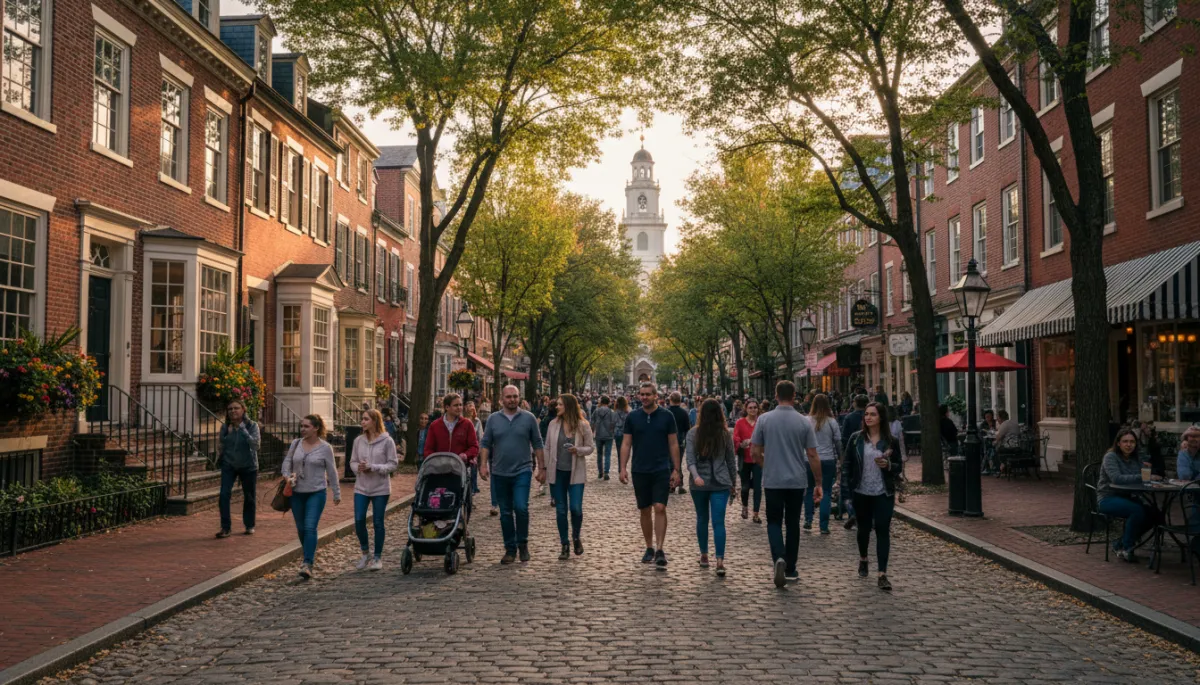
When people talk with me about living in Philadelphia, walkability comes up almost every time. It is not just about getting a high Walk Score. It is about what your everyday routine actually looks like. Can you grab a coffee without getting in the car, walk to the El or a bus, or reach a small park in five minutes? Those details influence which blocks feel right and which homes for sale in Philadelphia stay on your short list.
In a city that consistently ranks among the most walkable large U.S. cities, some neighborhoods almost function as “15-minute villages.” You may find yourself driving only for big grocery runs or weekend trips. In others, you will want to think more carefully about parking, especially in areas with narrow streets or permit requirements, and how close you are to SEPTA rail, the Market–Frankford Line, or key bus routes like Girard or Ridge Avenue. Those details can affect daily convenience, quality of life, and even resale appeal for future buyers who are also focused on the best walkable neighborhoods in Philadelphia.
From a Philadelphia real estate standpoint, walkability often shows up in pricing and demand. Neighborhoods that combine solid transit access, a strong local restaurant scene, and nearby green space tend to hold interest even when the broader market cools. As of 2026, we are seeing a more balanced market overall, yet buyer attention still clusters around these highly walkable cores, especially in Center City, Fishtown, Northern Liberties, and the surrounding rowhome neighborhoods.
Fitler Square and Rittenhouse Square
If you picture classic Center City living, you are probably picturing Rittenhouse Square and Fitler Square. Rittenhouse Square living centers around the park itself, with leafy paths, benches, and people out morning, noon, and night. A few blocks west, Fitler Square feels a bit quieter, with its own pocket park and easy access to the Schuylkill River Trail. Both neighborhoods offer a tight grid of walkable blocks, small groceries, wine shops, and plenty of cafes and restaurants within a short stroll.
From a housing perspective, Fitler Square real estate leans heavily on traditional rowhomes, many with charming brick fronts and small rear patios. Rittenhouse adds prewar brownstones, luxury condos, and high-rise buildings that appeal to those seeking elevators, amenities, and skyline views. Both plug you directly into Center City employers, with strong transit access and the ability to live car-light if that fits your lifestyle.
Buyers comparing these two often weigh building style and budget more than walkability, since both score in the upper 90s on Walk Score. If you are buying a home in Philadelphia and want to dig into how these pockets differ block by block, my SmartytheRealtor neighborhood guide is a good starting point, and we can layer in current sales data and condo association details together. Sellers here should know that buyers tend to notice proximity to parks and the river trail, as well as whether daily errands can be handled within a few minutes on foot.
Fishtown and Northern Liberties
Head northeast along the river, and the vibe shifts. The Fishtown Philadelphia lifestyle is all about creative energy, restaurant openings, and a steady stream of people walking to the El. Northern Liberties sits just to the south and west, with wide sidewalks, plazas, and mixed-use developments that put apartments and townhomes over ground-floor retail. Both neighborhoods stay lively from brunch through late night, which some buyers love, and others prefer to keep a few blocks away from home.
You will see a mix of older rowhomes, warehouse conversions, and newer construction with roof decks and modern finishes. Northern Liberties real estate often includes larger new townhomes and condo buildings, while Fishtown still has many modest rowhomes that have been renovated over time. Transit is a strong point for both, with the Market–Frankford Line, Girard Avenue, and multiple bus routes making it easy to reach Center City or University City without driving.
Manayunk and Roxborough
Manayunk and Roxborough sit up in Northwest Philadelphia, where the hills start to rise and the Schuylkill River bends. Manayunk lifestyle conversations almost always start with Main Street, a tight strip of restaurants, bars, boutiques, and cafes that are packed on weekends and busy after work. The canal path and the Schuylkill River Trail let you walk, run, or bike for miles, which is a big draw for people who like to be outdoors without leaving the city.
Climb the hill toward Roxborough, and you will find more traditional residential streets, a mix of Roxborough Philadelphia homes, including older rowhomes, stone twins, and detached singles. Ridge Avenue functions as the commercial spine, with grocery stores, takeout spots, and local services. Transit access is more limited here than in Center City, with SEPTA regional rail and bus routes, so many residents keep at least one car. When I tour buyers through the area, we talk frankly about parking, hills, and how comfortable they feel walking home from Main Street at night or to the train in the morning.
East Passyunk and Queen Village
South Philadelphia brings its own walkable flavor. East Passyunk real estate wraps around “the Avenue,” a diagonal stretch packed with some of the city’s most talked-about restaurants, bakeries, and bars. Classic South Philly rowhomes line the side streets, often with tidy stoops and planters. The Broad Street Line, bus routes, and bike lanes make it straightforward to reach Center City while keeping daily life very local.
Queen Village, Philadelphia, sits closer to the river, with narrow historic streets, brick facades, and proximity to Headhouse Square and South Street. You will find a mix of mom-and-pop shops, cafes, and neighborhood restaurants, plus parks and playgrounds tucked into the fabric of the blocks. Walkability here often means you can handle most errands on foot and enjoy a very “neighborhood” feel while still being a quick walk or bus ride from Center City offices and cultural spots.
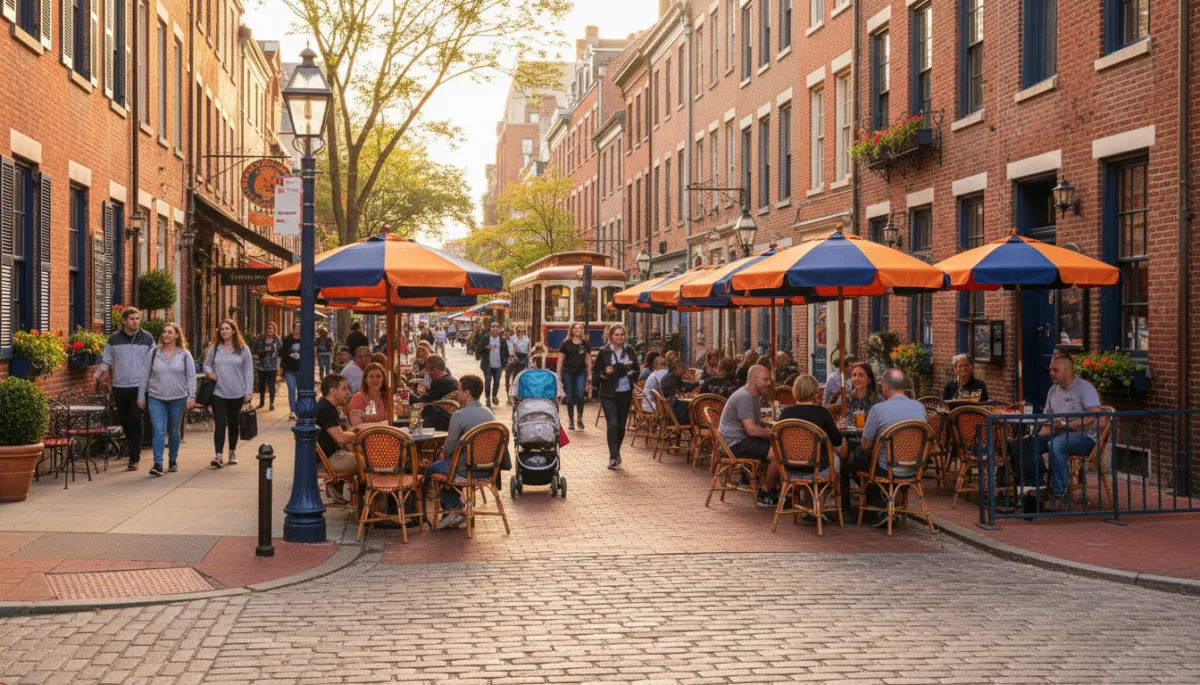
Sidewalk cafes and short walks to dinner define many Center City and South Philly blocks.
Fairmount and Art Museum Area
Fairmount and the Art Museum area sit just north of Center City and offer a nice blend of culture and everyday convenience. You are within walking distance of the Philadelphia Museum of Art, the Barnes Foundation, and Eastern State Penitentiary, as well as smaller galleries and music venues. Fairmount Avenue itself is lined with neighborhood restaurants, bars, and cafes that stay busy without feeling overwhelming, and Kelly Drive is right there for runs, bike rides, and riverfront strolls.
Housing here ranges from stately brownstones and classic rowhouses to condo conversions and newer mid-rise buildings. For many buyers, the selling point is that you can walk to both major museums and large green spaces while still having a true neighborhood main street. When I am helping clients compare Fairmount to, say, Queen Village or Fishtown, we talk about how often they expect to use the park system, how they feel about bus versus subway access, and what kind of nightlife level fits their comfort zone.
If you are trying to decide which of these walkable Philadelphia neighborhoods fits your lifestyle and budget, you do not have to figure it out alone. You can connect with me at smartytherealtor.com to compare neighborhoods, review current listings, and talk through buying or selling options tailored to you.
How to Compare Walkable Neighborhoods Before Buying
When people are buying a home in Philadelphia, I encourage them to compare neighborhoods just as carefully as they compare individual homes. Start with your commute or primary daily destinations. Are you walking to an office in Center City, riding the El to University City, or driving out to the suburbs a few days a week? That answer can quickly narrow which walkable pockets make sense and how close you need to be to transit or major highways.
Parking and car use: In areas like Rittenhouse or Fishtown, you may rely more on transit and rideshare, while Manayunk and Roxborough often involve a car. Decide how important guaranteed parking or a garage really is for you.
Home style and budget: Some neighborhoods skew toward condos and high-rises, others toward smaller rowhomes or larger twins. That affects both pricing and maintenance expectations in your Philadelphia real estate search.
Noise and activity level: Spend time on the block at different hours. A quiet side street two blocks off a lively corridor can feel very different from living right above a bar or late-night restaurant.
Outdoor space: Decide whether you prioritize a small yard, roof deck, or quick access to a park or trail.
I also recommend visiting at least twice, ideally once on a weekday evening and once on a weekend afternoon. That is when the character of walkable Philadelphia neighborhoods really shows up. If you want a structured way to do this, the buying guide on my site walks you through layering lifestyle, housing style, and budget into a single clear plan before you write an offer.
Selling a Home in a Walkable Philadelphia Neighborhood
If you are selling a home in Philadelphia in one of these walkable pockets, your listing has some built-in advantages, but it is still important to highlight them clearly and accurately. Buyers want to know how long it takes to walk to the nearest grocery store, park, or transit stop, and what daily life feels like within a few blocks. Mention nearby cafes, restaurants, and outdoor spaces in a factual way, and be mindful to avoid language that targets or excludes any particular group of people.
Photography matters here, too. Clear shots of tree-lined streets, front stoops, and nearby amenities help buyers picture the walkable lifestyle. At the same time, pricing and strategy still need to reflect the current market, which in 2026 is more balanced than the frenzy of a few years ago. That is where having flexible seller options can help. Through my selling programs, we can explore Cash Offers+, Fix It and List It, Trade-In, Sell and Stay, or List with a Twist, depending on your timeline and comfort level with repairs and showings. None of these are one-size-fits-all, and we will walk through the pros and cons before you decide.
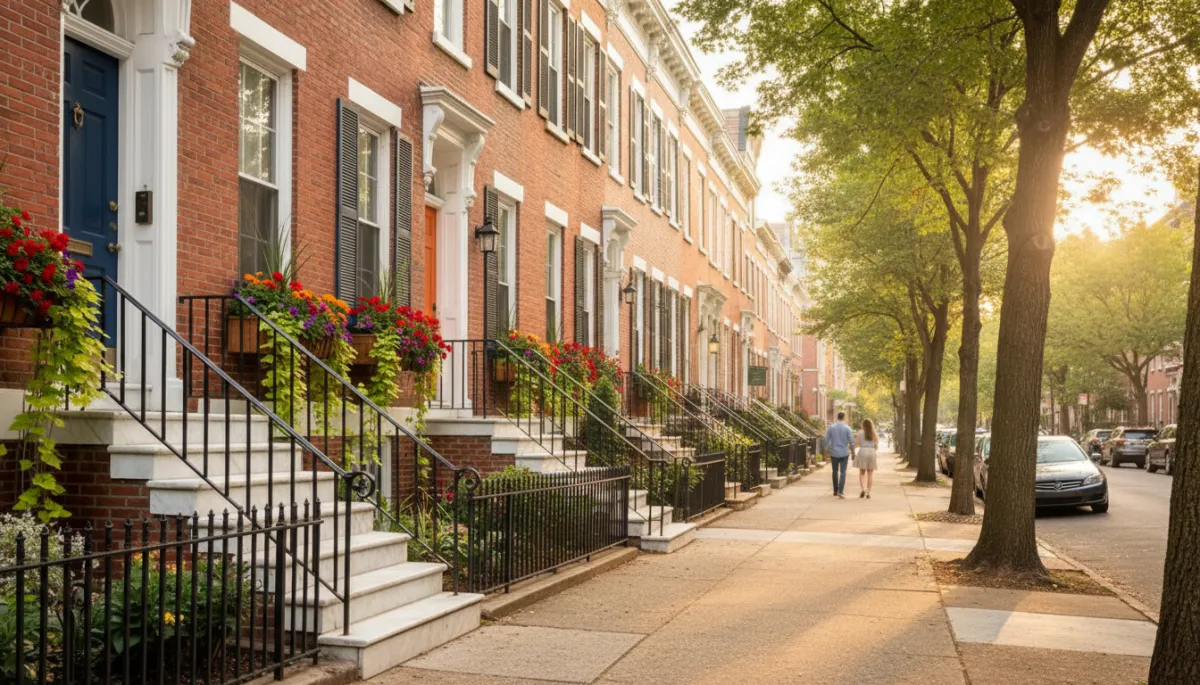
Well-presented blocks and nearby amenities can make walkable homes stand out to buyers.
How SmartytheRealtor Helps Buyers and Sellers Compare Philadelphia Neighborhoods
Comparing walkable neighborhoods is not just about reading lists online. It is about matching what you value to what each area actually offers on the ground. As an AI Certified Agent™ who lives and works in this market every day, I blend local experience with data to help you weigh options like Fitler Square real estate versus Fairmount, or Fishtown Philadelphia lifestyle versus East Passyunk, in a structured and practical way.
For buyers, that might mean building a short list of the best walkable neighborhoods in Philadelphia that fit your price range, then touring specific blocks at different times of day. For sellers, it can mean positioning your home so it speaks clearly to people who value walkability, transit access, and nearby amenities, without overpromising or stepping outside Fair Housing guidelines. You can always start with smartytherealtor.com and dive deeper into my articles and insights on Philadelphia neighborhood guide topics, market trends, and strategy.
Q1: What are some walkable Philadelphia neighborhoods to explore?
Some of the most walkable Philadelphia neighborhoods include Rittenhouse Square, Fitler Square, Fishtown, Northern Liberties, Fairmount, Queen Village, and parts of East Passyunk and Manayunk. Each offers its own mix of restaurants, parks, transit access, and housing styles, so it helps to visit a few in person before you decide where living in Philadelphia feels right for you.
Q2: Is walkability important when buying a home in Philadelphia?
Walkability is important for many buyers because it affects daily convenience, commuting options, and long-term resale appeal. Being able to walk to transit, groceries, and parks can reduce car dependence and may make your home more attractive to future buyers who are also focused on walkable Philadelphia neighborhoods.
Q3: How should buyers compare Philadelphia neighborhoods?
Buyers should compare commute times, transit access, parking, housing styles, budget fit, noise levels, and access to parks and local businesses. Visiting at different times of day, talking with a local agent, and reviewing a detailed Philadelphia neighborhood guide can help you understand how each area feels beyond the listing photos.
Q4: What should sellers highlight in a walkable neighborhood?
Sellers can highlight factual details such as distance to transit stops, nearby parks, restaurants, grocery stores, and trails, as well as the general walk-friendly layout of the blocks. Keep the language neutral and inclusive, focusing on amenities and convenience rather than describing who the neighborhood is “for.”
Q5: Are walkable neighborhoods different from block to block in Philadelphia?
Yes. In many parts of the city, walkability and overall feel can change quickly from one block to the next. That is why it is important to walk the specific streets where you are considering homes for sale in Philadelphia, rather than just relying on neighborhood names or online maps.
Q6: Can SmartytheRealtor help me compare Philadelphia neighborhoods?
Absolutely. I regularly help buyers and sellers compare neighborhoods, housing styles, and timing, whether you are focused on Queen Village, Philadelphia, Fairmount, Manayunk, or somewhere else entirely. You can reach out through smartytherealtor.com to schedule a conversation and start narrowing down the best walkable neighborhoods in Philadelphia for your goals.
Ready to Compare Walkable Neighborhoods Before You Make a Move?
If you are comparing Philadelphia neighborhoods before buying or selling, SmartytheRealtor, AI Certified Agent™, can help you look at lifestyle, housing options, market activity, and strategy before you make your next move. Whether you are exploring Rittenhouse Square living, Northern Liberties real estate, or another corner of the city, we can create a clear plan together at smartytherealtor.com, so your next chapter of Philadelphia Living feels like the right fit.


