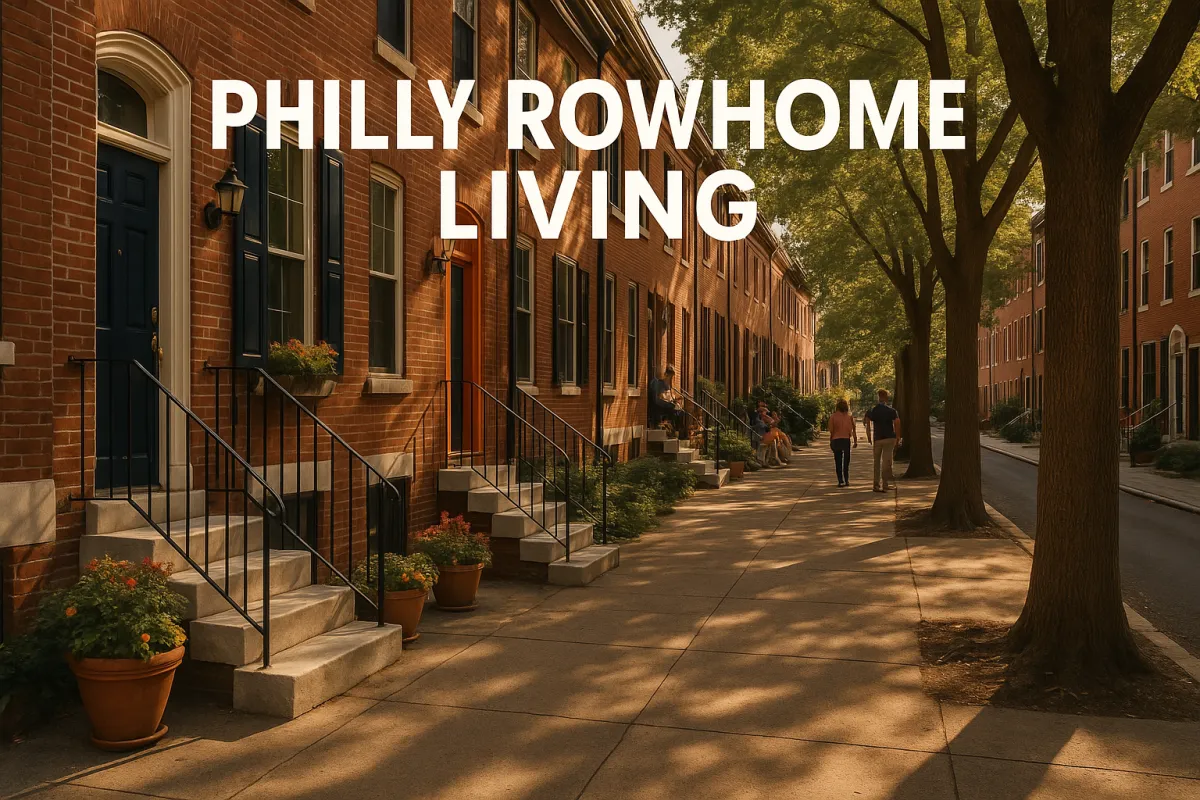
What Makes Philadelphia Rowhome Living So Unique?
What Makes Philadelphia Rowhome Living So Unique?
By SmartytheRealtor (John Smart), AI Certified Agent™ & Philadelphia Region Lifestyle and Real Estate Advisor
Philadelphia rowhome living is not just about a type of house. It is about how the city looks, sounds, and feels when you step outside your front door. Rowhomes shape the rhythm of the blocks, the walkability of our neighborhoods, and even how neighbors say hello from their front stoops on a summer evening.
Across the city, Philadelphia rowhomes can feel very different from one block to the next. Width, depth, ceiling height, age, renovation level, outdoor space, and parking all change the experience. A narrow South Philadelphia rowhome with a tiny yard lives differently from a wider Fairmount rowhome with a finished basement or a Manayunk rowhome on a hill with a garage underneath.
Why do rowhomes define so much of Philadelphia?
To understand Philadelphia Living, you almost have to start with rowhomes. Historic development patterns in the 18th, 19th, and early 20th centuries favored compact city blocks, with homes lined up shoulder to shoulder. That is why Philadelphia has hundreds of thousands of attached homes, more than almost any other American city, and why so many of them qualify as historic Philadelphia homes today.
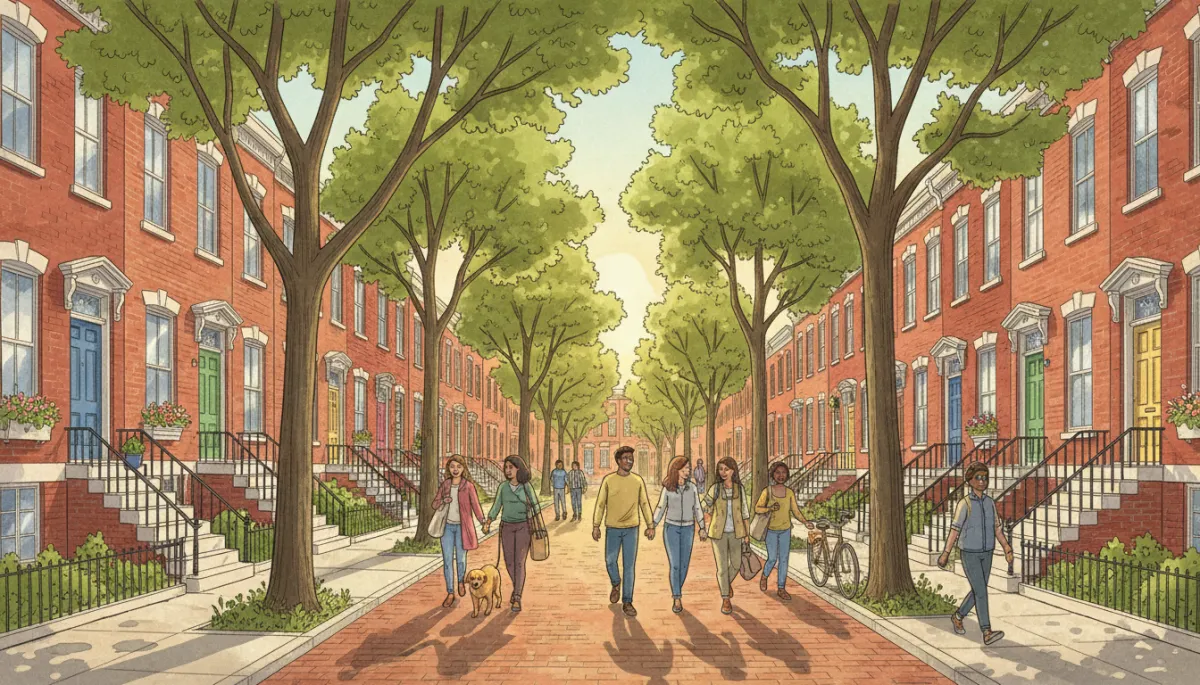
Those compact city blocks are a big reason our neighborhoods are so walkable. Shops, corner stores, schools, and transit stops can sit just a few minutes away on foot. The front stoops and small front steps that many Philadelphia rowhomes share create natural gathering spots. People sit outside, chat with neighbors, and keep an eye on the block, which strengthens that sense of neighborhood identity many buyers are looking for when buying a rowhome in Philadelphia today.
Shared walls also change how the city feels. Because homes are attached, heat efficiency is often better than in stand-alone houses, and the streets feel enclosed and human-scaled. Architectural variety adds another layer. On one block, you might see simple brick South Philadelphia rowhomes, and on the next, you might see ornate cornices, bay windows, or stone details that reflect different eras of Philadelphia neighborhood housing. The connection between housing and street life is constant, which is a big part of what makes Philadelphia rowhome living feel so unique compared to suburban developments with wide setbacks and large driveways.
How are Philadelphia rowhomes different from one another?
One of the biggest surprises for people new to Philadelphia real estate is how different rowhomes can be from block to block. Width and depth vary a lot. A classic South Philadelphia rowhome might be 14 to 16 feet wide, with a long, narrow footprint. In parts of Fairmount or West Philadelphia, you may find wider fronts, higher ceiling heights, and more generous staircases that change how the home lives day-to-day.
The floor plan and the number of stories also matter. Some Fishtown rowhomes are two stories with a basement, while many newer or renovated rowhomes Philadelphia buyers see in Northern Liberties or Graduate Hospital add a third story and roof deck. Basements can be unfinished storage, a fully finished living space, or anything in between. Outdoor space might be a tiny rear patio, a side yard, or a full yard in parts of Roxborough and Manayunk where the lots are deeper, or the terrain is hillier.
Age and renovation level are another big dividing line. In Queen Village and Bella Vista, you may see historic Philadelphia homes from the 1800s with original staircases and detailed moldings next to fully renovated properties with open layouts and new systems. Architectural detail can range from simple brick fronts in South Philadelphia rowhomes to Victorian trim in West Philadelphia or stone-front homes in Roxborough. Parking access also shifts by neighborhood, from mostly street parking in older core neighborhoods to driveways and garages in some Manayunk rowhomes or newer construction in Northern Liberties real estate developments.
If you want to explore how these differences show up block by block, the curated Philadelphia community pages are a helpful starting point, with deeper dives into areas like Northern Liberties, Queen Village homes, and the Manayunk neighborhood.
What should buyers know about rowhome layouts?
Layout is one of the most important parts of any Philadelphia rowhome guide. Many rowhomes have narrow floor plans, so stair placement, room flow, and natural light really matter. A staircase right in the middle of the home can break up the first floor, while a staircase pushed to one side may allow for a more open living and dining space. When you are buying a rowhome in Philadelphia, it helps to picture where you will put furniture and how you will move through the space during a normal week, not just during a showing.

Storage and basement use are also key. Some basements are low-ceiling storage spaces, while others are fully finished with a family room, office, or guest suite. Bedroom size can vary widely, especially in older homes where small middle bedrooms are common. Kitchen placement, often at the rear of the first floor, influences how connected cooking feels to the outdoor space. If you are hoping for a roof deck or rear addition in the future, it is worth asking early about zoning, neighboring roof decks, and prior permit history so you know what addition potential looks like on that specific block.
Shared walls also affect layout decisions. For example, placing bedrooms on the party-wall side may change how sound travels. When you tour, try to look beyond staging and fresh paint. Pay attention to natural light at different times of day, how you would use each room, and whether the layout matches your daily routine. The Philadelphia buyer resources page has additional tools to help you think through these details before you write an offer on rowhomes for sale in Philadelphia.
How can parking change the rowhome experience?
Parking is one of those topics that can quietly shape your daily life. In many neighborhoods, especially those closer to Center City, parking is primarily on the street. Some areas use permit parking, which may help manage competition on the block, but it is important to review current rules and understand that availability can still vary by time of day or season. In parts of South Philadelphia rowhomes, for example, residents may circle a bit longer on game days or busy weekends than on quiet weekday mornings.
Other neighborhoods offer more driveways, garages, or rear access parking. In Manayunk rowhomes, you sometimes see garages under the living space because of the hillside terrain. In Roxborough homes for sale, driveways and side yards can be more common than in tighter rowhome neighborhoods. Some newer Northern Liberties real estate projects include small parking lots or interior garages that may appeal to buyers who want a more predictable parking routine. Transit alternatives, like SEPTA buses, the Market–Frankford Line, and regional rail, can also reduce how often you need to drive. You can explore routes and schedules directly on SEPTA if you are considering a car-light lifestyle.
How does outdoor space show up in Philadelphia rowhomes?
Outdoor space is another area where Philadelphia rowhomes surprise people. At the front, many homes have small stoops or porches that act as informal living rooms. These front stoops are where neighbors chat, kids play on the steps, and packages land. Even a tiny front area can make the home feel more connected to the block and the broader Philadelphia Living experience.

At the back, outdoor space might be a small patio, a modest rear yard, or a larger garden, depending on the neighborhood and lot depth. Decks off the kitchen or second floor can add useful space for grilling or container gardening. Roof decks are especially popular in areas like Fishtown rowhomes, Graduate Hospital homes, and parts of Queen Village real estate, where views and extra outdoor square footage add lifestyle and resale appeal. Nearby parks and community gardens can also make a big difference, especially if the home’s private outdoor space is small but you are close to a great green space or river trail.
Outdoor areas do come with maintenance considerations, from keeping decks sealed to managing plantings and snow. Buyers often place a premium on usable, low-maintenance outdoor space, which can support long-term resale value if it is well designed and safe. When you evaluate rowhomes for sale in Philadelphia, it helps to consider how often you will use each type of outdoor space and how much upkeep fits your schedule.
What should you look for in an older Philadelphia rowhome?
Many Philadelphia rowhomes were built long before modern building codes, which is part of their charm and part of why Philadelphia home inspection tips matter so much. When you are touring an older home, it is worth paying attention to a few big-ticket areas and then bringing in qualified professionals to evaluate them in detail during inspections.
Roof condition is a major one, especially on flat roofs. Masonry and pointing on the brick or stone walls can show signs of age, as can windows, electrical systems, and plumbing. Moisture and basement condition go hand in hand in many older rowhomes, so look for signs of water intrusion, musty smells, or patchwork repairs. HVAC age and type, sewer lines, and shared walls can also raise questions that an inspector or specialist should address. Structural concerns, like sloping floors or visible cracks, are another area where a structural engineer or experienced contractor may be helpful.
Permits and renovations matter as well. If you see a finished basement, a new roof deck, or major interior changes, it is reasonable to ask about permits and approvals. Philadelphia’s Licenses and Inspections website is a useful resource for permit information. None of this replaces a full professional inspection, of course, and buyers should rely on licensed inspectors and appropriate specialists rather than quick walk-through impressions when buying a rowhome in Philadelphia that is more than a few decades old.
Renovated rowhome or original condition: which fits you?
Renovated rowhomes Philadelphia buyers see on listing sites often look move-in ready. The immediate convenience is appealing. New kitchens, updated bathrooms, and modern systems can reduce the risk of short-term repairs and may qualify more easily for certain types of financing. For some buyers, especially those with busy schedules, this convenience is a major benefit. At the same time, it is still smart to complete thorough inspections, because even renovations can hide issues behind walls or under finishes.
Original-condition rowhomes, on the other hand, often offer more character and customization potential. You might find original hardwood floors, stair railings, or tile that you can preserve while updating systems and layouts. Budget and contractor planning become more important here. Repair risk can be higher, but purchase prices sometimes reflect that. For some buyers, especially those comfortable with a phased renovation, an older home can be a way to enter a neighborhood they like and shape the property over time. Balancing character, customization, resale expectations, and your financing options is a key part of any thoughtful Philadelphia home-selling strategy or buying plan.
How does rowhome living change by neighborhood?
The same basic housing type can feel very different depending on where you are in the city. In Fishtown rowhomes, for example, the energy often comes from nearby restaurants, music venues, and the Market–Frankford Line. Blocks may be narrow, and parking can be competitive at certain times, but walkability and nightlife are strong draws. In contrast, Manayunk rowhomes sit on hills with views of the river and Main Street, and the experience includes more changes in elevation, different traffic patterns, and a mix of rowhomes and smaller multi-unit buildings along the commercial corridor.
Queen Village and Bella Vista neighborhood guides offer a mix of historic streets, mature trees, and access to restaurants and parks, with some blocks feeling tucked away despite being close to Center City. Fairmount real estate, near the Art Museum and Kelly Drive, balances cultural institutions and green space with traditional rowhome blocks. Graduate Hospital homes provide another flavor of walkable living close to downtown, with a mix of newer and older rowhomes and steady nearby development. West Philadelphia and Roxborough each bring their own blend of transit access, parks, traffic patterns, and housing conditions. When you compare neighborhoods, it helps to think about walkability, transit, restaurants, parks, block width, commercial corridors, parking, and nearby development together, not just the house itself. The main Philadelphia community pages can help you compare these factors side by side.
What should sellers know about selling a Philadelphia rowhome?
When you are selling a rowhome in Philadelphia, it helps to think like a buyer walking through the front door for the first time. Pricing should reflect current market data, the home’s condition, and recent sales nearby. Photography is especially important for rowhomes because good photos can highlight natural light, ceiling height, and room flow in spaces that might feel narrow in person if they are not staged well. Thoughtful staging can draw attention to storage solutions, flexible spaces, and any unique architectural details your home offers.
Outdoor space, parking, roof decks, and renovations also play a big role in buyer expectations. If you have a great roof deck, a finished basement, or well-designed storage, you want to showcase those features clearly. At the same time, it is wise to prepare for inspection concerns by addressing minor items in advance when practical and being ready to discuss bigger items honestly. Neighborhood amenities, like nearby parks, transit, and local businesses, can help buyers picture their own version of Philadelphia rowhome living. For more on tailoring a Philadelphia home-selling strategy to your situation, you can review the Philadelphia seller resources and tools, like the home value estimate page or the guide to compare selling options.
SmartytheRealtor offers several structured options that may appeal to different sellers, including Cash Offers+, Fix It and List It, Trade-In, Sell and Stay, and List with a Twist. Each approach has its own pros and cons around timing, repairs, and flexibility, and part of the conversation is matching the option to your goals, not forcing a one-size-fits-all solution.
How does SmartytheRealtor help buyers and sellers understand rowhomes?
As an AI Certified Agent™ focused on Philadelphia rowhomes, my role is to blend data, on-the-ground experience, and clear communication. For buyers, that means helping you understand how differences in condition, layout, and neighborhood affect long-term value, maintenance, and daily life. We can look at comparable rowhomes for sale in Philadelphia, review inspection reports together, and talk through what is realistic to handle now versus later based on your budget and comfort level with projects.
For sellers, it means walking through the home with a critical but supportive eye, identifying which updates or repairs may provide the best return, and choosing a pricing and marketing strategy that fits your timeline. We can use resources like the Philadelphia real estate insights library, along with your neighborhood’s specific trends, to set realistic expectations. The goal is not to promise outcomes, but to give you a clear, practical roadmap so you can make informed decisions whether you are buying a rowhome in Philadelphia or getting ready to sell one.
Frequently asked questions about Philadelphia rowhomes
What is a Philadelphia rowhome?
A Philadelphia rowhome is an attached house that shares side walls with neighboring homes on compact city blocks. Most have a narrow frontage, multiple stories, and a basement. Many were built before 1940, and a large number qualify as historic Philadelphia homes. Rowhomes are the backbone of Philadelphia neighborhood housing in places like South Philadelphia, Fishtown, Queen Village, Manayunk, and beyond.
Are Philadelphia rowhomes difficult to maintain?
Maintenance needs vary by age, condition, and prior renovations. Older rowhomes may need more attention to roofs, masonry, pointing, electrical systems, plumbing, windows, and basements. Shared walls can reduce exterior exposure, but they also mean you want to pay attention to moisture and structural issues. With good inspections, a realistic budget, and a plan, many owners find rowhomes manageable. The key is to understand likely costs up front and build them into your long-term plan rather than being surprised later.
What should buyers inspect in an older rowhome?
Buyers should work with licensed inspectors to review the roof condition, masonry and pointing, electrical systems, plumbing, windows, moisture signs, basement condition, HVAC, sewer lines, and shared walls. Structural concerns, such as significant cracks or uneven floors, may call for a structural engineer. It is also smart to ask about permits and renovations and to review available records through Philadelphia’s Licenses and Inspections resources. These Philadelphia home inspection tips help you see beyond cosmetic updates to the underlying structure and systems.
Do Philadelphia rowhomes usually have outdoor space?
Most rowhomes have at least a small front stoop and some form of rear outdoor space, such as a patio or yard. The size and type of outdoor space vary by neighborhood and lot depth. Many renovated rowhomes add decks or roof decks, especially in areas where lot sizes are smaller but views are appealing. If private outdoor space is limited, nearby parks, trails, and community gardens can still provide plenty of access to the outdoors.
How should sellers prepare a rowhome for sale?
Sellers can start by decluttering, highlighting natural light, and making small repairs that show the home has been cared for. Staging can help buyers understand how to use narrow floor plans, storage areas, and flexible spaces. It is also helpful to tidy outdoor areas, emphasize any parking or roof decks, and gather documentation on renovations and maintenance. A thoughtful pricing and marketing plan, informed by neighborhood data and current demand, is another key piece. The Philadelphia seller resources section covers these steps in more detail.
Can SmartytheRealtor help me compare rowhomes in different neighborhoods?
Yes. Part of my role as SmartytheRealtor is helping you compare how the same price point or layout might feel in different parts of the city. We can look at walkability, transit access, parks, restaurants, traffic patterns, parking, housing conditions, and nearby development, then connect that to your goals. The Philadelphia buyer resources and community pages for areas like Logan Square homes and lifestyle or Graduate Hospital homes are good starting points, and our conversations build on that with current market data and your specific priorities.
If you are buying or selling a Philadelphia rowhome, SmartytheRealtor, A.I. Certified Agent™, can help you understand the property, block, neighborhood, and strategy before you make your next move.


